Currents is a strategic design practice for the energy transition
Impact at scale only happens when the sustainable choice is also the chosen one. Not the worthy one, not the subsidised one, the one people actually want. We're as excited about building category leaders as we are about the transition itself. That's not a tension we manage. It's the whole point.
Your place in the energy transition isn't guaranteed
Energy is at an inflection point and the direction you set now for your business is the one everything gets built on. We help you get it right while it's still soft enough to shape.Regulation is shifting, consumer behaviour is changing, technology is enabling new possibilities, business models are being questioned. The incumbents are optimising and scaling the first wave. But as the categories form, there's space to build entirely new brands and products that shape how people live with energy.


What We Do
The category you're in is still forming, so your position is being set right now, in the roadmap, the brand, the raise and board narrative, whether you've decided it or not. Get it a degree wrong and the error compounds, until you're eighteen months in and building hard in the wrong direction.Your team will execute this brilliantly.Setting the position is a different job. It means reading the category for what it can become, not what it is today, from outside the frame your team is necessarily inside. That's what we've done before, at the moment categories formed, not after, with positions that held.You're already building. We make sure it's pointed right, before the next phase compounds the last.
Who We Are
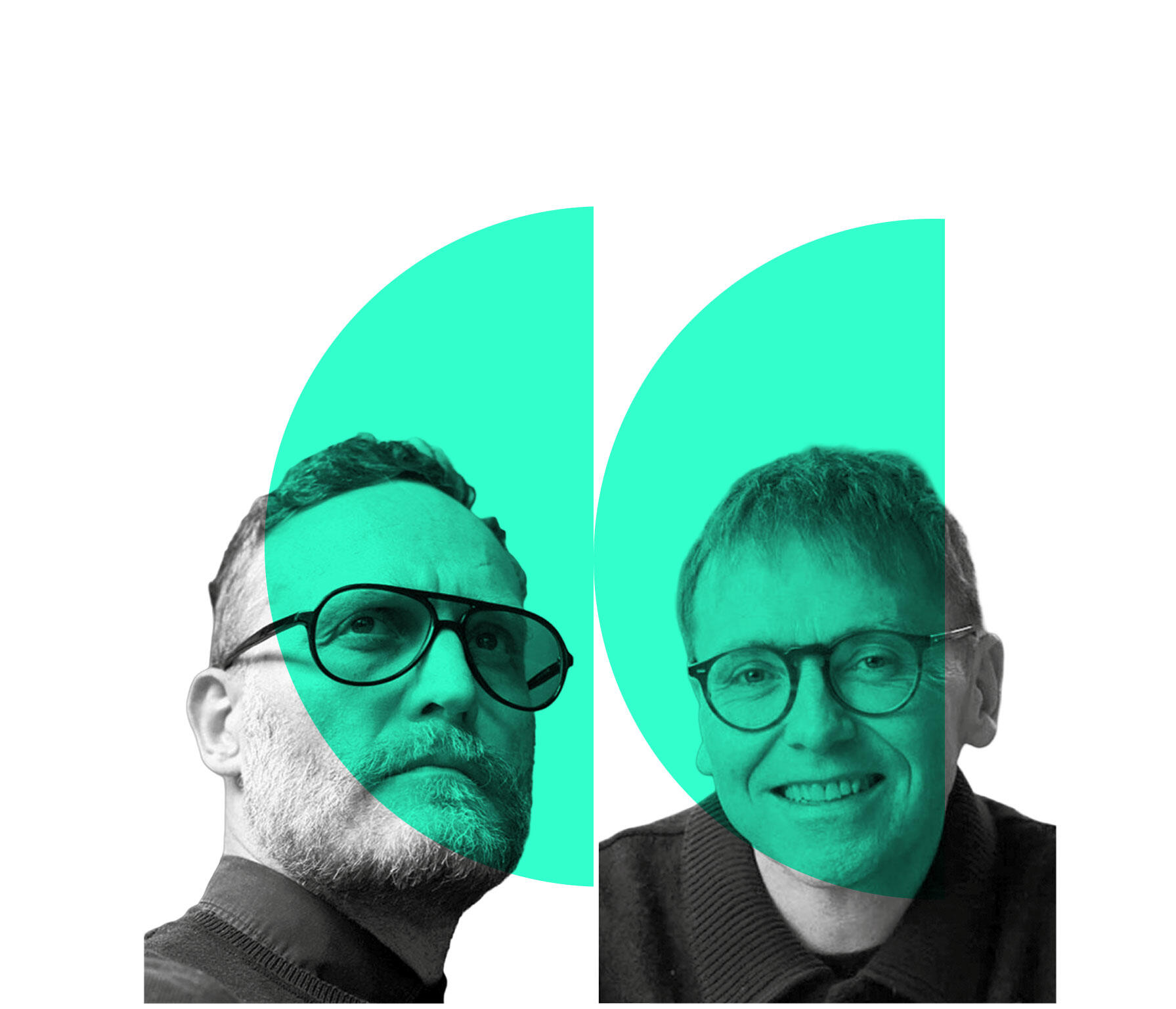
The lighting industry saw LED as a cheaper bulb. Plumen saw a potential new category. The electronics industry saw a phone you replace every two years. Fairphone saw that how a phone is made: repairable, modular, built to last, could be the category itself.Nicolas Roope and Matthew Cockerill. Sixty years between us building brands, products and businesses where the rules are still being written, and helping set them.We've come together because energy is now at that moment, and we've each spent years working it from different sides. Nicolas from digital experience and brand, Matthew from product and hardware. Between us, that's the whole surface a category position touches. The point is that it's two people, not a chain of vendors. The usual route: a strategy firm, then a brand agency, then a product brief... loses a little of the position at every hand-off. We hold it as one thing.
Opening The Possibility space
When energy stops being infrastructure and becomes a category, different possibilities emerge. Home batteries designed as objects people want to live with, not hide away. Energy services that connect to how communities actually function, creating benefit and belonging instead of resentment. Data centres that genuinely engage neighbours and communities, turning extraction into partnership. Charging networks that feel like they belong in the places they inhabit. These aren't theoretical. They're the inflection points we're working with today.
Is this for you?
We take on a small number of companies a year. The ones we do our best work with are past prototype and short of category dominance, Series B through scale-up, where the technology is proven but the position isn't set yet.Usually that's a founder-CEO, a CPO or CTO, or the product and brand lead who owns the category question day to day. Hardware-led product companies. Energy operators scaling beyond supply. Adjacent players, telcos especially, who see energy as their next move because they already own the customer and the connected home.

How we work
We work as a project, then stay as long as it's useful. Most engagements start with a sprint to find the category opportunity and the direction worth committing to, or a deeper piece developing the full architecture of a new category position. Some move into ongoing advisory as you build, the two of us in the room for the decisions that matter while the category's still moving.You start where the problem is. You don't commit to more than the problem needs.
What you leave with
A thesis. Where your category is heading, where you sit inside it, and what's true that your competitors haven't noticed yet.A set of moves. Product, proposition and brand, sequenced and specific, made visual where that helps.A direction your teams can build from. One position, clear enough to point everyone at, inside and out, so the work doesn't drift the moment the engagement ends.
Proof
Nicolas built the LED-in-the-home category from the inside, as a founder. Through Plumen he made the new bulb desirable at a moment when the industry was treating it as a commodity swap. With EE he helped shape a mobile brand positioned sharply while the rules were still being written. Today he advises startups like Windfall Energy, building batteries for renters.Matthew is the designer and strategist global brands bring in when the category question is urgent. He helped OVO Energy turn solar from an early-adopter technology into something the early majority are now buying. He shaped the direction of the smart home and grid with Samsung, Sky and Panasonic, and helped Fairphone design the world's first ethical modular smartphone.
Contact Us
New categories are being born. Set the language or a competitor will, and you'll be left describing yourself in theirs. If you'd rather it were yours, let's talk.Email us to explore working with Currents